Maximizing Energy Efficiency With Adaptive Thermostats
June 8, 2026To maximize energy efficiency with adaptive thermostats, you’ll want to embrace their learning algorithms that capture your daily habits. These devices adjust heating and cooling based on occupancy and create personalized schedules to minimize energy waste. Integrating with home automation systems enhances control, allowing remote adjustments wherever you are. Utilizing geofencing can automate temperature changes as you come and go, further saving energy. Discovering more about these features can help you optimize their usage effectively.
Introduction
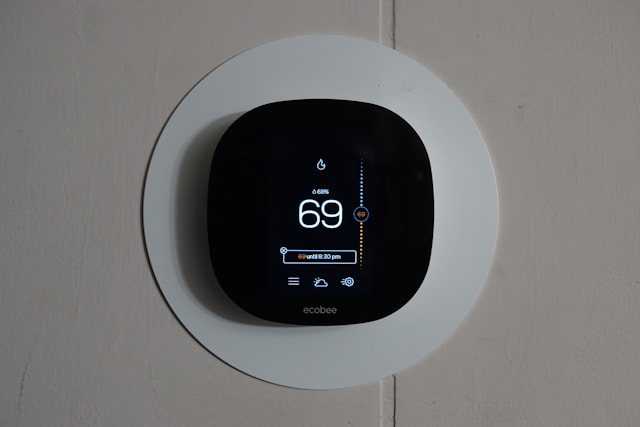
Adaptive thermostats are revolutionizing how homeowners manage their energy consumption. These innovative devices play a vital role in creating energy-efficient homes by optimizing HVAC performance. With professional Adaptive thermostat installation, you gain access to features like learning algorithms that adjust temperatures based on your habits, programmable schedules to align with your daily routine, and geofencing that guarantees your home is energy-efficient while you’re away.
Incorporating smart home technology, adaptive thermostats seamlessly integrate with other devices, providing enhanced control over your environment. By analyzing your usage patterns, these thermostats provide valuable insights and energy monitoring, helping you reduce utility bills markedly. As you embrace this technology, you’re not only boosting comfort but also contributing to a more sustainable lifestyle. The combination of smart technology and adaptive functionalities positions these thermostats as essential tools for modern homeowners seeking to achieve long-term energy savings.
Understanding how adaptive thermostats learn user habits and daily routines
By observing patterns in your daily routines, adaptive thermostats are able to fine-tune their operation to better suit your lifestyle. During smart thermostat installation, these devices collect data on when you typically adjust temperatures, how long you’re home, and your preferences throughout the day. Using this information, they create personalized schedules and automatically adjust settings to maintain your comfort while optimizing energy use.
For instance, as you leave for work, your thermostat detects your absence and lowers the temperature to save energy. It’s crucial to follow energy savings tips and verify that the thermostat is positioned correctly to maximize its efficiency. This smart climate control technology not only enhances your comfort but markedly reduces utility bills over time. By allowing the thermostat to learn and adapt, you’ll enjoy a balanced environment tailored to your habits, promoting both convenience and sustainability.
Integration of smart thermostat technology with home automation systems
Integrating smart thermostat technology with home automation systems can transform your living space into a more efficient and comfortable environment. By incorporating thermostat upgrades, you can enhance your HVAC efficiency considerably. These systems work together by allowing your smart thermostat to communicate with other devices, such as smart lights and security systems. For instance, when you leave home, the smart thermostat can adjust the temperature automatically, ensuring energy isn’t wasted, while also notifying you of any unusual activity.
Additionally, with geofencing features, your home can stay comfortable upon your return. This integration not only boosts energy savings but also simplifies your daily routines, as everything can be managed from your smartphone. Ultimately, smart thermostats and home automation systems complement each other, providing a seamless way to control your environment while prioritizing efficiency and comfort in your home.
Optimizing HVAC system performance through adaptive thermostat settings
When considering ways to enhance HVAC system performance, utilizing adaptive thermostat settings can make a significant difference. These modern devices employ advanced features like learning algorithms that analyze your heating and cooling patterns, adjusting settings to maximize comfort while minimizing energy use. This optimization can lead to reduced utility bills and a more efficient HVAC system.
Moreover, incorporating geofencing technology allows your adaptive thermostat to sense when you’re home or away, automatically adjusting temperatures accordingly. If you’re in the Kitchener area, consulting a Residential electrician Kitchener can provide valuable insights into the best integration methods for your home. By making these adjustments, you not only boost your HVAC’s efficiency but also enhance your overall home environment. Investing in adaptive thermostat settings is an essential step towards sustainable energy consumption, ensuring your HVAC system operates at peak performance over time.
Programmable schedules to reduce energy use during unoccupied periods
Utilizing programmable schedules on your adaptive thermostat can dramatically cut energy use during unoccupied periods. By setting specific heating and cooling times according to your daily routine, you guarantee your HVAC system operates only when necessary. For instance, you can program your thermostat to reduce temperatures during work hours or overnight when no one’s home. This targeted approach not only minimizes energy waste but also saves you money on utility bills.
Additionally, many adaptive thermostats allow you to create multiple schedules for different days, accommodating various activities like weekends or holidays. By tailoring these schedules, you maintain comfort without sacrificing efficiency. Regularly reviewing and adjusting these settings as your lifestyle changes will further optimize energy use. In the long run, incorporating programmable schedules into your energy management strategy makes it easier to achieve sustainability goals while enjoying a comfortable living environment.
Geofencing technology to adjust temperatures based on homeowner location
As you move through your day, geofencing technology enables your adaptive thermostat to automatically adjust indoor temperatures based on your location. Utilizing GPS data from your smartphone, your thermostat can identify when you’re nearing home or leaving, ensuring comfort without wasting energy. For instance, if you head out for work, it can raise or lower the temperature to save energy, then revert back to your preferred setting shortly before you return.
This proactive adjustment eliminates the need for manual overrides and adapts to your routine, creating a more efficient heating and cooling schedule. By optimizing temperature settings based on your proximity, geofencing enhances your home’s energy efficiency and ultimately leads to lower utility bills. With this feature, you never have to worry about forgotten thermostat adjustments, aligning your home’s climate with your lifestyle seamlessly. It’s a practical and modern solution for energy-conscious homeowners.
Energy monitoring features to track usage and identify savings opportunities
Energy monitoring features in adaptive thermostats provide homeowners with valuable insights into their energy consumption. By tracking usage patterns, these devices help you identify when and where energy is being used most, allowing you to make informed decisions on how to optimize your HVAC system. This data can reveal peak usage times, potentially leading to adjustments in temperature settings that enhance efficiency.
Furthermore, regular usage reports and alerts facilitate proactive management of your energy consumption, giving you the chance to uncover savings opportunities. For instance, you might notice high usage during certain times or seasons, prompting a reassessment of your heating and cooling schedules.
Integrating energy monitoring into your routine can empower you to take control of your energy bills, making it easier to identify trends and implement strategies that lead to significant long-term savings. With this information at your fingertips, maximizing energy efficiency becomes a manageable goal.
Comparing adaptive thermostats with traditional programmable thermostats
Understanding your energy usage through monitoring can highlight the limitations of traditional programmable thermostats compared to adaptive thermostats. Traditional models often require manual input to set schedules, which may not align with your actual lifestyle habits. If you’re out longer than expected, they don’t adjust, leading to wasted energy.
Adaptive thermostats, on the other hand, learn your routines and adjust automatically. They utilize algorithms to optimize heating and cooling based on real-time occupancy data, leading to more efficient energy use. While traditional models might save you some money, they don’t account for variations in your schedule or preferences.
Additionally, adaptive thermostats offer features like geofencing that sense when you’re home or away, providing further energy savings. By comparing these two options, it’s clear that adaptive thermostats take energy efficiency to the next level, transforming your home into a more intelligent living space.
Remote control capabilities via smartphone apps for convenience and comfort
Modern adaptive thermostats come equipped with smartphone app capabilities, allowing you to control your home’s temperature from virtually anywhere. This remote access transforms how you manage your indoor climate, enabling you to adjust settings while you’re at work, running errands, or even on vacation. You can monitor your energy usage in real-time, making it easier to identify patterns and optimize your heating and cooling schedules.
With user-friendly interfaces, these apps let you program your thermostat and change temperature settings instantly, ensuring your home is comfortable when you arrive. Some models incorporate geofencing technology, automatically adjusting the temperature as you enter or leave a designated area. This level of convenience not only enhances your comfort but also contributes to energy efficiency by preventing unnecessary heating or cooling when you’re not home. Overall, the remote control capabilities of adaptive thermostats markedly simplify temperature management, adapting to your lifestyle seamlessly.
Reducing HVAC wear and tear through efficient temperature management
Using remote control capabilities, adaptive thermostats not only enhance your comfort but also play a significant role in reducing HVAC wear and tear. By employing learning algorithms, these thermostats adjust to your preferences and optimize temperature settings based on occupancy. This means your system won’t overwork or unnecessarily cycle on and off, leading to longer component life.
Efficient temperature management is essential; an HVAC system running at constant peak conditions can wear out more quickly. Adaptive thermostats also prevent temperature swings that can strain the system. With features like geofencing, they adapt when you’re away, minimizing operational time and further extending equipment lifespan.
Maintenance becomes easier too, as adaptive thermostats can provide alerts for potential issues before they escalate. By ensuring your HVAC system runs more efficiently, you not only extend its life but also maintain a more stable indoor climate conducive to comfort.
Lowering utility bills and promoting environmentally friendly energy use
While you may not realize it, installing an adaptive thermostat can greatly lower your utility bills and encourage environmentally friendly energy use. These smart devices utilize learning algorithms to adjust your HVAC system based on your habits and preferences. By optimizing your heating and cooling patterns, you avoid energy wastage, leading to reduced monthly utility costs.
Moreover, features like geofencing guarantee that your home is only heated or cooled when you’re there, further minimizing unnecessary energy consumption. This targeted approach not only saves you money but also contributes to a decrease in carbon emissions, promoting a greener environment.
Additionally, energy monitoring capabilities empower you to track your energy usage, enabling you to make informed decisions about your consumption. With these tools, you can align your energy practices with sustainable living, effectively managing both your finances and your environmental footprint. Make the switch to an adaptive thermostat for substantial savings and smarter energy use.
Enhancing indoor comfort through precise and automated temperature control
Adaptive thermostats serve as the cornerstone of enhanced indoor comfort, offering precise and automated temperature control that aligns with your lifestyle. These devices utilize advanced learning algorithms to understand your daily routines, adjusting temperatures accordingly. You’ll benefit from a consistently comfortable environment without having to manually change settings throughout the day.
Automation features allow the thermostat to respond in real-time to changes, such as your arrival home or changes in outdoor conditions, ensuring ideal temperature at all times. With programmable schedules and geofencing, it caters to your unique patterns, enhancing comfort while minimizing energy wastage.
Benefits of professional adaptive thermostat installation by licensed electricians
When you choose professional installation by licensed electricians for your adaptive thermostat, you’re not just guaranteeing proper setup; you’re also tapping into their expertise to maximize your system’s efficiency. Licensed electricians have the training and experience needed to correctly wire and calibrate your thermostat, preventing common installation mistakes that could lead to system inefficiencies. They can assess your specific HVAC system and recommend the most effective settings and features for your home.
Additionally, professional installers can integrate your adaptive thermostat with existing smart home technologies, providing seamless control and monitoring. This connection assures that your thermostat operates in harmony with other devices, further optimizing energy use.
Tips for homeowners to maximize energy savings with adaptive thermostats
Maximizing energy savings with your adaptive thermostat involves a few key strategies that can greatly enhance its effectiveness. First, utilize the learning algorithms; allow your thermostat time to understand your routine. By doing so, it can adjust temperatures automatically when you’re away or less active, reducing energy use.
Next, make use of the programmable schedules. Set your thermostat to align with your lifestyle—lower temperatures during work hours and warmer settings when you return home.
Additionally, take advantage of geofencing features. This allows the thermostat to recognize when you’re approaching home, adjusting temperatures in anticipation of your arrival.
Lastly, regularly monitor your energy consumption data. This insight can help you identify patterns and adjust settings to maximize savings. By applying these strategies, you’ll not only enhance your comfort but also considerably lower your energy bills.
Common mistakes to avoid when setting up smart thermostat systems
Setting up a smart thermostat can greatly enhance energy efficiency and comfort, but there are common pitfalls that can undermine these benefits. One major mistake is neglecting initial calibration. Always take the time to set your thermostat according to your home’s unique layout and heating/cooling needs. Another issue is failing to utilize programmable schedules; bypassing this feature can prevent energy savings during times when you’re away. Also, not enabling geofencing limits the thermostat’s capacity to adjust settings automatically based on your location. Furthermore, overlooking integration with your HVAC system might lead to improper functioning, compromising efficiency. Finally, ignoring energy usage reports can deprive you of valuable insights into your consumption patterns. By avoiding these mistakes, you’ll guarantee your smart thermostat works effectively to maximize energy savings and enhance your home’s comfort.
Conclusion
By harnessing the innovative features of adaptive thermostats, you can achieve both sustainable comfort and significant energy savings in your home. These devices utilize advanced technologies like learning algorithms and energy monitoring to optimize your HVAC system’s efficiency. Through programmable schedules and geofencing, you can guarantee that your heating and cooling systems operate only when necessary, reducing energy waste.
Moreover, when integrated with Smart home automation, these thermostats provide a seamless experience that adapts to your lifestyle. You’ll enjoy improved indoor comfort as the thermostat learns your preferences and adjusts accordingly. The result? Lower utility bills and a reduced carbon footprint.
Investing in an adaptive thermostat isn’t just about immediate savings; it’s a step toward a more sustainable future. By making this small adjustment, you’ll contribute to energy conservation while enjoying a comfortable living environment tailored to your needs.