
Electrical Panel Upgrades in Texas: From 100 Amp to 200 Amp Service for EV Chargers, Appliances, and Home Safety
May 11, 2026Upgrading from a 100 amp to a 200 amp electrical panel in Texas is essential for meeting modern energy demands, especially with the growing use of EV chargers and high-demand appliances. A 200 amp service supports more circuits, reduces overload risks, and enhances overall home safety. This upgrade not only improves reliability but also prepares your home for future electrical needs. Keep exploring to uncover the full benefits of upgrading your electrical panel.
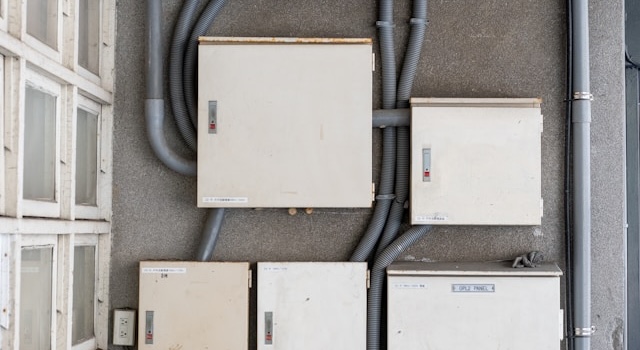
Introduction to electrical panel upgrades and why they matter in modern Texas homes
In many modern Texas homes, upgrading your electrical panel isn’t just a good idea—it’s essential. As energy demands increase from newer appliances and systems, your existing panel might struggle to keep pace. If you have a 100 amp panel, it may not safely handle today’s loads, leading to frequent breaker trips or potential fire hazards. Seeking professional Electrical panel upgrade services is essential for compliance with the National Electrical Code and local regulations. You’ll need a licensed electrician in Texas to evaluate your current setup and perform necessary upgrades. Part of this process involves an electrical safety inspection to identify any potential risks before the upgrade. Switching to a 200 amp service not only enhances capacity but also improves circuit distribution and safety, preparing your home for current and future energy needs. Prioritizing an upgrade today ensures a reliable, safe electrical system for you and your family.
Explanation of what an electrical panel does and how it distributes power throughout the home
An electrical panel acts as the central hub for your home’s electrical system, distributing power to various circuits throughout the house. It receives voltage from the utility company, which it then directs to different areas of your home, allowing appliances and devices to function properly. With a 100 amp vs 200 amp panel, the capacity for running multiple high-demand appliances, like electric vehicle chargers and HVAC systems, differs substantially. If you’re considering an electrical panel upgrade in Texas, a 200 amp service upgrade offers increased capacity, accommodating today’s energy needs more effectively. This upgrade not only enhances safety by reducing the risk of overload but also improves overall efficiency and circuit distribution in your home. By ensuring your electrical panel can handle modern demands, you can future-proof your home and protect against potential electrical hazards.
Overview of 100 amp panels and their limitations in older residential properties
Although many older homes in Texas were built with 100 amp electrical panels, these systems often struggle to meet the increasing demands of today’s electrical usage. Typical limitations manifest in safety hazards, such as frequent circuit breaker trips and the risk of overheating. As more households incorporate energy-intensive appliances and electric vehicles, you’ll find that the 100 amp capacity may not suffice, especially with stringent EV charger panel requirements. Conducting a breaker panel replacement is often essential for ensuring your home can accommodate modern demands. A home electrical upgrade to a 200 amp service not only enhances capacity but also improves circuit distribution and safety features. This upgrade is important for preventing overloads and complying with current electrical codes. At its core, a 100 amp panel may serve basic needs, but for contemporary lifestyles, it’s an outdated solution that necessitates timely replacement.
Detailed comparison between 100 amp and 200 amp service including load capacity and circuit availability
While it may seem that a 100 amp service provides adequate power for basic needs, a closer examination reveals significant limitations when compared to a 200 amp service. A 100 amp panel typically supports around 24 circuits, which may not be sufficient for modern homes with various high-demand appliances, HVAC systems, and electric vehicle chargers. In contrast, a 200 amp service can handle 40 circuits or more, accommodating future load increases and additional devices seamlessly.
The load capacity of a 200 amp service allows for diversified power distribution and enhanced safety. It supports surge protection installation, minimizing voltage spikes that could damage sensitive equipment. Though the initial panel upgrade cost in Texas might seem high, the long-term benefits—combined with increased safety, efficiency, and flexibility—far outweigh this investment. Ultimately, choosing a 200 amp service better equips your home for current and future electrical demands.
Why 200 amp service is becoming the standard for modern homes and renovations
As energy demands continue to rise, particularly in newly constructed homes and those undergoing renovations, 200 amp service has become the standard for modern electrical systems. This shift is driven by the increasing use of high-capacity appliances, home automation technologies, and electric vehicle chargers, all of which require more electrical power. A 200 amp panel offers sufficient capacity to accommodate these advancements while ensuring electrical safety and efficiency.
With a 200 amp service, you’re better equipped to handle multiple circuits without overloading the system. This upgrade not only facilitates a more reliable power supply but also supports the growing trend of energy-efficient technologies. Additionally, modern 200 amp panels often incorporate advanced safety features, such as arc-fault and ground-fault circuit interrupters, which enhance protection for your home. As a result, investing in a 200 amp service is essential for meeting current and future energy needs.
Common signs you need a panel upgrade such as breaker trips, flickering lights, and burning smells
Investing in a 200 amp service is a proactive measure to meet increased energy demands, but there are clear indicators that suggest it might be time for an electrical panel upgrade. If you notice frequent breaker trips, it’s a sign that your existing panel is struggling to manage the electrical load. Flickering lights, especially when using high-draw appliances, indicate inadequate voltage supply and may point to potential overloading issues. Additionally, any burning smells originating from the electrical panel or outlets should be treated as a serious concern. This could signal overheating components or damaged wiring, both of which pose significant safety risks. These symptoms highlight that your current panel may be outdated or insufficient for your modern energy requirements. Upgrading your panel can enhance safety, improve circuit distribution, and meet the growing energy demands of today’s households.
Risks associated with outdated panels including fire hazards and overloaded circuits
When an electrical panel becomes outdated, the risks it poses can rise noticeably, particularly concerning fire hazards and overloaded circuits. Old panels, often rated at just 100 amps, struggle to meet modern energy demands. As appliances and electric vehicles draw more power, circuits can overload, leading to frequent breaker trips and possible overheating. This not only stresses the wiring but can also create conditions ripe for electrical fires. Overloaded circuits may cause insulation to deteriorate, exposing live wires. Additionally, outdated panels lack features like overload protection and surge suppression, increasing your home’s vulnerability to electrical faults. Inadequate circuit distribution can lead to uneven power loads, exacerbating the risk of fire. Ignoring these risks means compromising your safety and that of your home. Upgrading to a modern 200 amp panel can greatly mitigate these dangers, ensuring a safer living environment for you and your family.
Transition from fuse boxes to modern breaker panels and why it improves safety
Fuse boxes, a relic of the past, pose significant safety risks in today’s homes. Unlike modern breaker panels, fuse boxes require manual replacement of fuses when they blow, which can lead to improper ratings being used or unaddressed overloads. This outdated system increases the likelihood of electrical fires. Modern breaker panels, however, utilize circuit breakers that automatically trip when an overload occurs, effectively halting power flow to prevent damage and hazards.
Moreover, breaker panels offer clearer labeling and simplified maintenance, allowing you to manage your home’s electrical system with ease. They also accommodate advanced safety features such as GFCI and AFCI breakers, which help prevent shock and arc faults. Moving beyond fuse boxes to breaker panels not only enhances safety but also makes certain compliance with current electrical codes, ultimately providing a more reliable and secure electrical infrastructure for your home.
Role of electrical panel upgrades in supporting EV charger installation at home
Upgrading your electrical panel is often critical for homeowners looking to install electric vehicle (EV) chargers. Most existing 100 amp panels can’t adequately support the additional load from these chargers, which can lead to system overloads and safety hazards. Moving to a 200 amp service guarantees your home has the necessary capacity to handle EV charging alongside other appliances without compromising safety.
Additionally, newer panels facilitate better circuit distribution and are equipped with advanced breaker technology, reducing the risk of tripping and overheating. Compliance with the National Electrical Code and local Texas regulations is mandatory during this upgrade, so it’s vital to work with licensed electricians who’ll ensure proper installation.
Ultimately, this upgrade not only supports your current energy needs but future-proofs your home for increased electrical demands, enhancing overall safety and efficiency.
Power requirements for Level 2 EV chargers and the need for dedicated circuits
As energy demands increase, understanding the power requirements for Level 2 electric vehicle (EV) chargers is essential for homeowners. Level 2 chargers typically require a dedicated circuit capable of delivering 30 to 60 amps at 240 volts. This means that, depending on the charger model, your home electrical panel must support the additional load without becoming overloaded.
It’s important to install a dedicated circuit for the charger to make sure safety and efficiency. Sharing a circuit with other high-draw appliances can lead to circuit overloads, tripped breakers, and even fire hazards. Additionally, having a dedicated circuit allows your EV to charge efficiently without impacting other electrical devices in your home.
Before installation, consult with a licensed electrician to evaluate your current electrical panel’s capacity and comply with the National Electrical Code, paving the way for a safe and reliable EV charging experience.
How modern appliances like HVAC systems and electric water heaters impact panel load
Given that modern HVAC systems and electric water heaters demand significant electrical loads, it is vital to evaluate their impact on your electrical panel’s capacity. An average HVAC system can use up to 10 kW, while a typical electric water heater might draw about 4-5 kW. When these appliances operate simultaneously, they can quickly exceed the capacity of older 100 amp panels, leading to overloading concerns.
Inadequate panel capacity may not only strain your electrical system, but also pose safety hazards like tripped breakers or even electrical fires. Upgrading to a 200 amp service allows for a more robust load handling, enabling you to run multiple high-demand appliances without risk. It is important to take into account these factors when assessing your current panel. By understanding the power requirements of modern HVAC and water heating systems, you can make informed decisions about your electrical upgrades, ensuring both functionality and safety within your home.
Importance of professional load calculations before upgrading electrical service
Before proceeding with an electrical service upgrade, conducting professional load calculations is essential to make sure your system can accommodate current and future energy demands. An accurate assessment considers all major appliances, including HVAC systems and EV chargers, to determine your total amperage requirements. This process helps identify if a 200 amp service is adequate or if additional upgrades are necessary, ensuring safety and efficiency.
Improper load calculations can lead to frequent circuit overloads, tripped breakers, and even fire hazards. By relying on a qualified electrician, you’ll receive a thorough analysis tailored to your specific needs. This not only guarantees compliance with the National Electrical Code but also maximizes the lifespan of your electrical system. Ultimately, professional load calculations are a critical step that safeguards your investment while enhancing the functionality of your home for years to come.
Electrical safety inspections and what electricians evaluate during an assessment
When you’re considering an electrical panel upgrade, a thorough safety examination is essential to make sure your system is compliant with code and functioning effectively. Electricians evaluate multiple components during this assessment. They’ll check the electrical panel for corrosion, loose connections, and proper grounding, ensuring it can handle increased loads without risk. Circuit breakers are inspected for functionality and compatibility with the intended service. Additionally, they examine wiring insulation for wear or damage and assess the overall layout for code compliance. They’ll also look for overloaded circuits and potential fire hazards, making adjustments as necessary. Smoke detectors and GFCI outlets are evaluated for proper installation and functionality. Finally, the inspection includes verifying that your system can accommodate future energy demands safely. Addressing these aspects during an inspection helps ensure that your upgraded electrical panel operates efficiently and protects your home from potential electrical hazards.
Permit requirements and NEC compliance for panel upgrades in Texas
After completing a thorough safety inspection, it’s important to understand the permit requirements and compliance with the National Electrical Code (NEC) for panel upgrades in Texas. Upgrading your electrical panel typically requires a permit from your local jurisdiction. This ensures that work follows both local and NEC standards, which are designed to safeguard your home against electrical hazards.
Before starting any upgrade, you’ll need to submit an application detailing your project, including specifications of the new panel, and you may need to provide drawings showing the layout. Inspections are necessary at different stages to confirm compliance.
You’ll also need to ensure that the installation adheres to NEC guidelines regarding grounding, branch circuits, and overload protection. Failure to meet permit and code requirements not only risks your safety but can lead to fines or increased liability. Staying informed about these regulations ensures a smooth upgrade process.
Role of licensed electricians in ensuring safe and code-compliant installations
Although some homeowners may consider DIY upgrades, relying on licensed electricians is essential for ensuring safe and code-compliant installations. These professionals possess the training and experience to navigate complex electrical systems, ensuring your panel upgrade meets National Electrical Code standards and local regulations. They understand load calculations, so they can assess whether your existing panel can safely handle increased demand, such as electric vehicle chargers and high-capacity appliances.
Licensed electricians are also aware of the latest technologies and materials, providing insight into modern circuit protection and energy efficiency options. By securing the necessary permits and coordinating inspections, they help you avoid costly mistakes and potential hazards. Moreover, in the event of future changes, having a licensed electrician involved creates documentation that may be crucial for insurance claims or resale evaluations. Ultimately, hiring a licensed electrician is a critical investment in the safety and efficiency of your home’s electrical system.
Understanding subpanels and when they are used to expand electrical capacity
As energy demands increase in modern homes, understanding subpanels becomes essential for safely expanding electrical capacity. Subpanels serve as secondary distribution points from your main electrical panel, allowing you to manage increased loads without overloading the primary panel. When your home has high energy-consuming devices like electric vehicle chargers or multiple HVAC systems, a subpanel can help you distribute energy more efficiently.
You might consider installing a subpanel if your main panel is nearing its capacity or if you need dedicated circuits for distinct areas, such as a garage or basement. Additionally, subpanels simplify circuit management, as they reduce the distance from the main panel and minimize voltage drop. Ensuring that a licensed electrician evaluates your needs and properly installs the subpanel is critical for maintaining safety and compliance with electrical codes.
Circuit expansion and adding new breakers to support additional devices
When you determine that your home’s energy needs have outgrown its electrical panel, circuit enlargement becomes a vital step to make certain safety and reliability. This process typically involves adding new breakers to accommodate additional devices like electric vehicles, high-capacity appliances, or advanced HVAC systems. First, a licensed electrician will assess your current panel and load requirements, identifying the best positions for new breakers. Each breaker must be appropriately rated to handle the specific load of the device it supports, so that no overload occurs.
You’ll also need to take into account the necessary wiring, as the circuits should match the demand of your new devices. Proper installation is important, as incorrectly sized breakers or wiring can lead to hazards, including overheating or electrical fires. Following local codes and regulations is essential for the safety and functionality of your electrical system, providing peace of mind while meeting your energy demands effectively.
Benefits of installing whole-home surge protection at the panel level
Investing in whole-home surge protection at the panel level is a proactive measure that can safeguard your electrical system against damaging voltage spikes. These spikes, often caused by lightning strikes or utility grid fluctuations, can destroy sensitive electronics and appliances. By installing a surge protector at the panel, you make sure that every circuit in your home is shielded, minimizing the risk of damage throughout your electrical system.
Furthermore, this system provides enhanced protection for high-value devices such as computers, televisions, and smart home technology. Whole-home surge protection also improves the lifespan of your electrical equipment, reducing maintenance costs in the long run. In many cases, homeowners find that surge protectors can be integrated seamlessly into their existing panel upgrades, making it a valuable addition when moving to a higher capacity service like 200 amps. By taking this step, you’re investing in both safety and peace of mind.
Integration with smart electrical panels and energy monitoring systems
Whole-home surge protection complements the integration of smart electrical panels and energy monitoring systems, providing homeowners with enhanced control over their electrical usage. By incorporating smart technology, you can monitor energy consumption in real-time, identify patterns, and optimize usage, helping to reduce electricity bills. Smart panels can also alert you to potential issues, allowing for proactive maintenance and minimizing downtime.
Furthermore, energy monitoring systems can manage load distribution more efficiently, ensuring your home’s circuits can accommodate high-demand appliances or EV chargers without jeopardizing safety. With user-friendly apps, you can access data from anywhere, adjusting settings remotely for the best performance.
This integration also enhances home automation capabilities, allowing devices to communicate seamlessly, increasing convenience and safety. Ultimately, moving to a smart electrical panel enriches your home’s energy management, aligning with modern lifestyle demands and future energy trends.
Future-proofing your home for solar panels, battery storage, and increased energy demand
As energy demands continue to grow, future-proofing your home for solar panels and battery storage becomes increasingly essential. Upgrading to a 200 amp service not only accommodates current needs but also supports potential future installations. You’ll want to make sure your electrical panel has the capacity to handle energy generation and consumption seamlessly.
Incorporating battery storage systems requires robust wiring and circuit design to manage energy flow effectively. Consider surge protection to shield your appliances and solar system components from voltage spikes. Smart technology, such as energy management systems, can optimize usage patterns and enhance efficiency.
Moreover, installing additional subpanels can help distribute loads evenly, minimizing the risk of overloading your main panel. This all-encompassing approach ensures your electrical system is ready for not only today’s demands but also future advancements in energy technology, from solar power to electric vehicle chargers, laying the groundwork for a sustainable home.
Cost considerations and factors that influence panel upgrade pricing in Texas
While upgrading your electrical panel in Texas can greatly enhance your home’s safety and capacity, understanding the cost factors involved is essential. Several elements influence the overall price of a panel upgrade, including labor costs, local permit fees, and the complexity of the installation. Labor rates for licensed electricians can vary depending on your location but typically range from $50 to $100 per hour. Additionally, the cost of the new panel itself, often between $800 and $2,500, depends on the brand and specifications.
You should also consider potential upgrades to wiring or circuit additions, which can increase costs. Compliance with the National Electrical Code and local regulations may entail additional permit costs and inspections. Finally, factors such as the removal of the old panel, any necessary upgrades to ensure your system is future-proof, and enhancements like surge protection can also add to the total expense of your upgrade.
Common homeowner questions about panel upgrades and service capacity
What should homeowners know about electrical panel upgrades and service capacity? First, determining your current and future electrical needs is essential. If you’re planning to add high-demand appliances, like EV chargers or modern HVAC systems, a 200 amp service is typically required. You might wonder about the signs indicating a need for an upgrade. Frequent breaker trips, flickering lights, or the inability to run multiple devices simultaneously could signal that your panel can’t handle the load. Homeowners often ask about costs and whether permits are required; indeed, a licensed electrician must perform the upgrade to ensure compliance with the National Electrical Code and local regulations. Additionally, consider the possibility of adding features like surge protection or subpanels, which can enhance safety and functionality. Always consult a professional to assess your specific circumstances and ensure a safe, efficient electrical system.
How panel upgrades improve home safety, efficiency, and property value
Upgrading your electrical panel can greatly enhance your home’s safety, efficiency, and overall property value. By moving from a 100 amp to a 200 amp service, you notably reduce the risk of circuit overloads, which can cause fire hazards and damage to appliances. Modern panels incorporate advanced breaker technology and safety mechanisms, providing better protection against electrical faults.
Increased capacity accommodates today’s energy demands, allowing you to effectively power multiple high-energy devices like electric vehicle chargers without worrying about system failures. Additionally, enhanced energy efficiency can lower utility bills, directly impacting your property’s marketability.
Enhanced electrical infrastructure also appeals to potential buyers, who value safety and modern conveniences. Upgraded systems signal that your home meets contemporary safety standards, thereby boosting its overall property value. Investing in an electrical panel upgrade is not just about safety; it’s a proactive step towards future readiness and energy efficiency.
Conclusion summarizing the importance of upgrading to a 200 amp panel for safety and future readiness
As energy demands escalate, moving to a 200 amp electrical panel is important for making certain safety and future readiness in your home. Upgrading from a 100 amp service greatly reduces the risk of overloading circuits, which can cause frequent breaker trips or even electrical fires. A 200 amp panel accommodates the increased load from modern appliances, HVAC systems, and electric vehicle chargers, providing a more reliable power distribution throughout your home.
Moreover, this upgrade enables compliance with current safety codes and encourages the installation of additional features such as surge protectors and smart monitoring systems. Doing so enhances your home’s safety, efficiency, and long-term value. Ultimately, investing in a 200 amp service ensures that your electrical system can grow with your needs, minimizing the need for future upgrades. Prioritizing this upgrade is a pivotal step in safeguarding your home against electrical hazards and adapting to an evolving energy landscape.