Residential Electrical Services in Texas: A Complete Guide to Wiring, Panel Upgrades, and Home Safety Solutions
May 3, 2026Residential electrical services Texas cover essential tasks such as wiring, panel upgrades, and safety solutions. You’ll want a licensed electrician to ensure compliance with NEC and local codes for safety and performance. Understand the differences between copper and aluminum wiring, and recognize signs of overloaded circuits or outdated systems. Upgrading your electrical panel can enhance your home’s efficiency and safety. As you explore these topics, you’ll discover how to maintain a safe electrical environment in your home.
Understanding residential electrical services in Texas and their role in modern homes
As you navigate the complexities of homeownership in Texas, understanding residential electrical services becomes key for ensuring your home’s electrical system functions safely and efficiently. These services encompass a range of tasks performed by a licensed electrician in Texas, from installation to maintenance and upgrades. Compliance with the National Electrical Code is essential, as it governs safety and performance standards.
Regular inspections can identify issues like outdated wiring or overloaded circuits, which pose safety risks. Having a licensed electrician assess your system ensures you’ll not only meet local regulations but also enhance your home’s functionality. Additionally, upgrading breaker panels and integrating smart home technology can offer significant benefits. Consider energy-efficient lighting and the installation of GFCI outlets to further protect your family and property. Understanding these components empowers you to make informed decisions about your electrical system, paving the way for a safer and more efficient home.
Overview of electrical wiring systems including copper, aluminum, and grounding basics
When considering the safety and efficiency of your home’s electrical system, understanding the wiring components is fundamental. Electrical wiring systems primarily include copper and aluminum conductors. Copper is typically preferred due to its excellent conductivity, durability, and resistance to corrosion, making it ideal for most residential applications. On the other hand, aluminum is lighter and less expensive but requires careful connections to prevent oxidation and overheating.
Grounding is another critical aspect of electrical wiring systems; it directs excess electricity safely into the earth, protecting both you and your equipment. A proper grounding system includes ground rods, bonding conductors, and ensuring all fixtures are grounded.
Common wiring problems such as frayed wires, overloaded circuits, and outdated systems
Identifying common wiring problems is critical for maintaining a safe and efficient electrical system in your home. Frayed wires are a serious concern; they can cause short circuits or electrical fires if left unattended. You should routinely inspect your wires for any signs of wear or damage. Another common electrical problem is overloaded circuits. This happens when too many appliances draw power from a single circuit, leading to overheating and potential failure. Be mindful of how many devices you plug into one outlet or circuit. Additionally, outdated systems can pose safety risks; older wiring may not meet current safety standards, raising the likelihood of electrical faults. If your home has old aluminum wiring or insufficient amperage capacity, consider a professional evaluation. By being proactive and tackling these issues, you can ensure a safer living environment and more reliable electrical performance.
Electrical panel upgrades explained including breaker boxes, amperage capacity, and load balancing
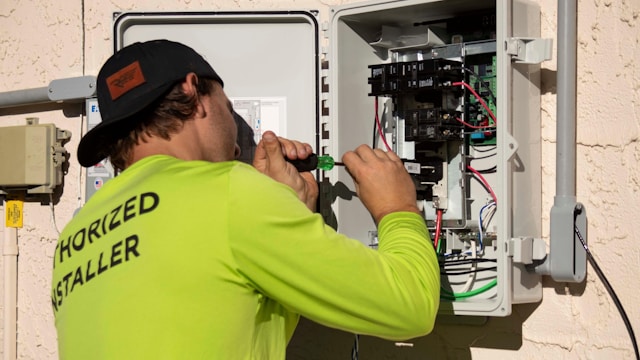
Upgrading your electrical panel is vital for ensuring your home’s electrical system operates efficiently and safely, especially as your energy needs evolve. The electrical panel, or breaker box, serves as the control center for your home’s electricity, distributing power to circuits while protecting them from overloads. When considering an electrical panel upgrade, focus on the amperage capacity, which defines how much electrical load the system can handle. Typical residential panels range from 100 to 200 amps, with 200 amps being recommended for modern homes and additional devices. Load balancing is also important; it involves evenly distributing energy across circuits to prevent overloading any single one. A well-balanced load maximizes efficiency and minimizes the risk of tripped breakers. Consulting with a licensed electrician helps that your electrical panel upgrade meets local codes and supports your home’s power demands effectively.
Signs you need a panel upgrade like frequent breaker trips and home expansion needs
If you notice frequent breaker trips or your power demands increase due to home expansion, it’s vital to contemplate upgrading your electrical panel. These symptoms indicate that your existing panel may not be able to handle the load required for modern appliances or additional circuits. In Texas, residential electrical services often focus on older panels that function below current standards, making upgrades essential for safety and performance.
Another sign you need an upgrade is adding high-demand devices, such as electric vehicle chargers or smart home technology. If your amperage capacity is consistently maxed out, it’s time to consult a professional. An upgraded panel enhances your home’s capacity, ensuring efficient power distribution and reducing fire risks associated with overloaded circuits. Don’t overlook these warning signs; addressing them promptly can save you from costly repairs and increase your home’s safety and functionality.
Home electrical safety solutions including GFCI outlets, AFCI breakers, and surge protection
Recognizing the need for an updated electrical panel often highlights the importance of thorough home electrical safety solutions. Installing GFCI outlets is crucial, especially in areas prone to moisture, like kitchens and bathrooms. These devices monitor electrical flow and cut off power during faults, preventing electrocution. When considering GFIC outlets installation, ensure they’re placed correctly and at the appropriate height to maximize safety.
AFCI breakers add another layer of protection by detecting arc faults that could lead to electrical fires. They provide instant shut-off, enhancing safety throughout your home.
Additionally, surge protection devices help shield your electronics from voltage spikes caused by lightning or grid issues. By implementing these safety measures, you’re not only adhering to code but also safeguarding your family and property. Regularly evaluate these systems to ensure you’re maintaining optimal safety in your home.
Smoke detectors, carbon monoxide systems, and integrated safety technologies for homes
As the foundation of home safety, smoke detectors and carbon monoxide (CO) systems play a important role in protecting your household from potential disasters. It’s critical to install these devices in key areas such as bedrooms, hallways, and near fuel-burning appliances. Regular maintenance checks and battery replacements are essential for best performance.
To enhance your home’s electrical safety, consider integrating these systems with AFCI breakers. These breakers not only protect against arc faults but can also minimize the risk of electrical fires, making them a sensible choice alongside smoke and CO detectors.
When selecting your detectors, prioritize those with smart technology that can alert you via smartphone during emergencies, even when you’re away. Also, carbon monoxide detectors should be installed close to sleeping areas to ensure immediate notice. By implementing these safety technologies, you create a proactive approach to home safety that safeguards your loved ones.
Common electrical problems in Texas homes and how to identify potential hazards early
While many homeowners may not think twice about their electrical systems, it’s important to be alert in identifying common problems that can lead to safety hazards. First, inspect your outlets and switches for signs of discoloration or heat, which can indicate wiring issues. If you frequently experience tripped breakers or flickering lights, you might be dealing with overloaded circuits or outdated wiring. Additionally, check for any unusual sounds, like buzzing or crackling, which could suggest faulty connections.
Another red flag is the presence of rust or corrosion around breaker panels and connections. You should also ensure that your home has the proper number of GFCI outlets, especially in kitchens and bathrooms, to maintain home electrical safety. Regularly monitoring these aspects can help you catch potential hazards early, reducing the risk of electrical fires or malfunctions in your Texas home. Stay proactive about your electrical system to ensure a safe environment.
Importance of hiring a licensed electrician and following NEC and Texas building codes
Identifying electrical problems early on is essential for maintaining safety, but addressing these issues is best left to professionals. Hiring a licensed electrician makes certain your work complies with the National Electrical Code (NEC) and Texas building codes, which are designed to minimize risks. These codes cover essential components, including wiring, grounding, and the installation of surge protection systems, which help shield your home against power surges that can damage appliances.
Licensed electricians have the expertise to assess your wiring and identify outdated systems that may pose hazards. They also understand local regulations and can navigate permitting processes, saving you time and ensuring installations meet safety standards. Additionally, working with professionals prevents costly mistakes and reinforces the integrity of your electrical system. When it comes to home safety and compliance, don’t take shortcuts; always choose a qualified electrician who prioritizes your home’s well-being.
Conclusion covering safe, efficient, and future-ready residential electrical systems
Ensuring your home has a safe, efficient, and future-ready electrical system is vital for both comfort and security. Start by addressing outdated wiring and overloaded circuits, as these can pose significant safety risks. Consider upgrading your breaker panel to accommodate modern electrical demands, especially if you plan to integrate technologies like electric vehicle (EV) chargers. In Texas, professional EV charger installation is needed to comply with local codes and best performance.
Additionally, implementing energy-efficient lighting and smart home solutions can greatly enhance your electrical system’s functionality. Regular inspections and maintenance by a licensed electrician will help identify potential issues early, so your home remains safe and efficient. Embracing these advancements now not only improves your home’s reliability but also prepares it for future electrical needs. Investing in these changes yields long-term benefits for your safety, convenience, and home value.